Discover your free Construction Marketing Ideas Email Newsletter
Showing posts with label "brand harmony". Show all posts

Tuesday, September 08, 2009

The loop: experience, marketing and sales

In developing your business, consider the concept of the "loop", with the three elements of client experience (the service you actually provide), marketing and sales moving constantly, with clients, prospects, and "everyone else out there" alighting at some point or another on one part of the loop.

You can't live without each of the three components, and all three must be in harmony for marketing -- and business -- success, but if you are strong at one you can sometimes offset weaknesses in the others.

In other words, if you aren't very good at sales, but have great external marketing skills and create really incredible client experiences, you probably won't have too many problems; if you are really good at sales and marketing, but provide a crappy service, you can stay in business (consider some Tourist Traps as examples of this type of successful business), and if you are really good at sales and provide a great experience, your sales team will probably be able to extract enough referrals out of your current client base to keep things moving along.

But imagine, for a second, you have all three components in perfect harmony. Your marketing uncovers the right clients through systematic processes (you are not "relying" on referrals, your sales team is effective in encouraging them to try out your services, and then your clients find you deliver more than you promised.

Do you think you would have problems surviving even the most challenging recession if you have all three elements in place?

Sunday, June 21, 2009

More on Branding, eh


Marty Neumeier has a simple equation for successful branding

T = r + d

Trust equals reliability plus delight

This formula is the essence of successful brand building.

Great branding is not about logos, advertising campaigns, your website, or anything like that, except to a truly tiny degree. (These things are important when you have a really big business, but the time and energy you spend on the "reliability" and "delight" with your current and previous clients should be an order of magnitude greater than the time you spend on your typical "branding" efforts.)

So, to build a great brand:

  • Return your calls promptly;
  • Deliver "wow" service to your clients;
  • Keep your job sites clean every day (and when you are done for the day, especially);
  • Contribute to your community in meaningful ways (the community of your clients, of course);
  • Respect privacy (if you really wish to canvass, telemarket, or use bulk email, consider the risks before moving forward);
  • Treat your employees with respect, as you expect them to treat their clients and peers with respect;
  • Send thank you notes;
  • Go the extra mile to be thoughtful;
  • Have fun with your work (if you do, your clients will sense your passion).
Then you can get your logo "just right", have an effective website, and design advertising campaigns that attract results.

Friday, September 26, 2008

How should a builder market to designers and architects (2)


Yesterday, Jeremy Hartje of James Hartje Construction Inc. in Santa Cruz, CA, received several answers to his question about how he could effectively market his general contracting services to local designers. Here are some additional thoughtful observations on this topic from Society for Marketing Professional Services members and a well-regarded Canadian architect.

Daniel J. Caldwell, Principal at Stout & Caldwell Consulting Engineers & Surveyors (www.stoutcaldwell.com) in Cinaminson, NJ, wrote:

  • With six field workers and three office employees, I think that you/they have already established a reputation. What you need to find out is if that reputation is a good one or not a good one (and be 100 per cent honest with yourself)
  • Once you have that established, it's easy
  • If the reputation is not a good one, you need to fix that first by addressing whatever issues may be causing it, i.e. problem employees, poorly maintained equipment, cost overruns etc.
  • If the reputation is a good one, invite some of your best clients to the program and have them showcase the project you did for them. Let them sing your praises, you really shouldn't have to. You just be there to answer questions that may come up
  • People, by nature, love referrals and love to hire people who are referred to them.
Rose Walsh, Business Development at Nolte Associates, Inc. (www.nolte.com) in Sacramento, wrote:
To misquote the real estate business: Benefits, benefits, benefits!

We have had a variety of subconsultants provide similar presentations over lunch/breakfast. It's a great initial networking tool (everyone likes free food) and much easier to learn about a new firm/service. However, if you don't have work/leads for us, why should we send work your way instead of someone else (prior relationship)? Have you thought about your follow up plan?
Pamela Rigling Caffrey, Director of Marketing, John Poe Architects, Inc., in Dayton, OH, adds:
If a general contractor ever gave me a lead that I didn't know about or opened the door for my firm into a project, I would FOREVER inform said contractor about any project opportunities I could offer them. Forever. And ever. The same would be true for engineering consultants.

Please consider that an open offer...
Finally, Canadian architect John Davies, in Ottawa, offers these thoughts (which will have special relevance to Canadian contractors):

With regard to your residential contractor inquiry:
  1. there are two major construction sectors at this level - residential and Industrial, Commercial and Institutional (ICI)
  2. the ICI sector predominantly secures contracts through the formal bidding process.
  3. the residential sector predominantly secures contracts by way of negotiation or less formal bidding procedures
  4. the best way to get the attention of architects is to convince them that the contractor:
  1. Is skilled
  2. Exhibits impeccable craftsmanship
  3. Is financially secure (even bonded) and pays his trades promptly
  4. Has a catalog of good references relating to successfully completed work (both Owners and Trade Contractors).
  5. Can illustrate that all his projects have been completed on time and on budget - again with references.
  6. Is properly insured with appropriate levels of coverage ... Worker's Comp.; General Liability; Property and Boiler; Owned and Non-Owned Vehicles; Equipment; Errors and Omissions (if a design component is included in the product - also possesses a MMA license number)
  7. Is registered with the Ontario New Homes Warranty Plan
  8. Has worked with architects on previous occasions and can give references.
  9. Has no outstanding claims or lawsuits pending ... and
  10. Takes his shoes off when entering peoples homes and in all areas of the work that are not under construction.
"Mark ... if he follows the above he won't go far wrong - with me anyway!", Davies wrote

What can you learn from these observations: No direct marketing piece will substitute for personal contact and relationships; and nothing works better in relationship development than the expression of your reputation/referrals, and your spirit of generosity and sharing. And I wouldn't under-rate John Davies' light hearted final remark about taking your shoes off! Courtesy, respect and sensitivity to the ultimate clients are undoubtedly important in this business. These are basic principals and underlie most successful marketing within the industry.

Thursday, September 25, 2008

How should a builder market to designers and architects?

Jeremy Hartje of James Hartje Construction Inc. in Santa Cruz, CA, asked this important question:

My dad and I have a small residential construction company, six field and three office employees. I'm currently conducting a small networking and outreach campaign with a focus on architects and designers. Our goal is to establish a good reputation with designers so they send more bids our way. I'm just about to send out a letter asking them to share a brief lunch meeting, which I will provide the food, so I can give a quick presentation on our company. My question is, what do you think these designers and architects want to hear? What should I make sure to include in a brief presentation to this audience? Any thoughts or ideas on this question or networking in general would be appreciated.
To answer his question, I posted it on the The Society for Marketing Professional Services (SMPS) Listserve and asked some architects and designers I know for their own opinions. Here are some of the early responses.

Tara Krovich at The Whiting-Turner Contracting Company wrote:
We have found that the best way to better network with the architects in our area and build a relationship to where they feel comfortable feeding us information and inviting us on their teams is by...building that relationship. I don't think a presentation is the best approach. I think taking one or two individuals from the architecture firm out to lunch (making it less formal) and simply sharing with them the information on your company and the type of experience you have, then gaining information on them, what they are looking for, the markets they are in, etc. Don't drop it after this meeting. If you hear of a project of interest, send it to them - and that will open the door for them to reciprocate the favor. It is all about relationships when it comes to architects/cm's, so it just is a matter of having patience and taking the time to build it.
Juliette Brown, Marketing Program Specialist, Western Region, at Honeywell Energy Services said:
First big thing I see: tell him to NOT send out a (junk mail) invitation letter to firms.

At minimum, he should personally call a/the principal at each contractor/architect firm and directly propose a lunch meeting; if he really wants their business, he needs to prove it - and sending out a form letter doesn't put him on the right foot from the get-go.
Conversely, Tim Richards, Chief Financial Officer at WESTAR Architectural Group/NV Inc. In Las Vegas, replied:
I believe you will receive a warm response from architects. We are always looking for opportunities to collaborate with other firms. We hook up with consultants all the time and would love to partner with a construction group. I am actively marketing to construction and engineering groups all the time. . . ."
You will see more responses over the next few days and I will post further follow-ups, hopefully distilling a consensus or, at least, a toolkit of response which will allow you to discover an informed conclusion. Here are my thoughts:

Will a direct marketing/lunch and learn approach work? Possibly, if seen holistically, and not as a one shot magic bullet. A natural way to go about this process would be to connect directly and first with architects/designers with which you have a great relationship already, and ask them the same question, They may help you in networking within your own community and suggest relevant groups, associations and activities. You might also obtain some testimonials which would lend credibility to your marketing materials/messages.

Finally, if you serious about this approach, you should plan a campaign (testing each phase as you proceed) perhaps using a variety of media including permission-based e-letters, phone communications, informal meetings and association events over time, all in harmony and truly correlated to what your business really is, and how it truly relates with architects and designers.

If all of this seems like a lot of work, you are right, but you may find surprisingly immediate results by consulting with the architects and designers you know now in planning and co-ordinating your marketing campaign.

P.S. You may find some additional insights in this contractortalk.com thread on the same topic.

Saturday, July 26, 2008

Marketing success -- the essense

Steve Yastrow's books are worth reading. You will also find value in his blog at http://yastrow.com/index.php

Great marketing, in my opinion, starts with great employees delivering the product or service that clients are amazed and entertained as they do business with us. Your marketing resonates when, as Steve Yastrow advocates, employees and clients are in harmony, with each other and the larger community. When this connection is complete, you have the magical strength of exceeded expectations and solid word-of-mouth referrals. Then you can extend your reach with various forms of publicity and sometimes advertising, and see your results skyrocket.

So how do you do this in practice? Here, things get a little tricky, because neither clients nor employees (nor the larger community) are seeking textbook perfection. If you run your business with such a tight ship that employees are systematically forced or coerced into doing the 'right thing' you'll defeat yourself -- people can see really quickly through plastic 'friendliness' and insincere remarks like the famous "Have a nice day!"

And, in any case, the so-called 'wow' factor might be just a little over the top at a typical architectural, engineering or construction office. I mean, you want your calls returned properly and problems fixed or resolved with courtesy and respect,but you aren't expecting a dancing choir of "customer service" every time you send in a proposal for a quotation or invite response through an RFP. You certainly want competence, job site respect, cleanliness, and -- most importantly -- just the right amount of sensitive imagination where you discover you can save a little money or you know in advance that some expensive change-orders may be required, and you can see the general and sub trades are working together in a co-operative approach with the design consultants to minimize their costs or stresses.

The point is all of these things happen sometimes subtly, almost in the background, and when you have it right, your clients almost take them for granted, just confident that you are delivering the goods and that you aren't taking advantage of them. They call you back, then, and are willing to serve as positive references, and your insurance broker and bonding company representative hear this stuff in the background, and they learn you pay your bills and fix problems promptly, so your bonding limits are increased and you can grow, and win more and better projects.

I'll share some examples of how these pieces fit together; they in themselves may seem disjointed but when I'm done you'll get the idea.

  • In Florida, in Absolute Aluminum's supplier-paid magazine, the company includes a page of head shots of its employees who have served in the military, coupled with a brief patriotic thank you message. While I suspect this message would not go over well in parts of Vermont, it is probably perfect in Venice, where many military families live. The employees feel recognized as special, they receive connection and respect from their fellow residents, including the families of military service personnel on active duty. In Venice, would you feel good about doing business with Absolute Aluminum for your sidings, gutters, or pool enclosures (especially since the entire service process is entirely satisfactory)? You bet.


  • In Thunder Bay, Ontario, Finn Way General Contractor Inc. puts together the most comprehensive and well designed responses to RFP documentation I've ever seen. Through tabbed links, all the essential requests and documentation requirements within the RFP are addressed (you can't skimp on the mandatory requirements) but Finn Way goes a step further, with detailed employee descriptions, colour project photos, and piles of testimonial letters carefully selected to reflect the project they are quoting. Virtually every RFP they answer is followed with an invitation to bid -- and of course Finn Way uses common sense and only submits the RFPs where it thinks it has a reasonable chance of success.
  • Finally, a story from our own business. Through an association event, we discovered a fascinating and important project under construction -- and the key decision-makers were in the meeting. We arranged the feature; but unfortunately one of our employees made a serious error --linked to a sudden deterioration in performance. We addressed the employee problem quickly (he left quickly, on good terms, and is now doing work he really enjoys) and the client, initially disturbed, has become an enthusiastic supporter of our business.

Note that just doing fancy RFPs putting veteran's pictures in your marketing materials, or having fast-acting human resources policies will create the marketing chemistry I'm describing here. But I sense the companies which get it right all share in common:

  • Really solid hiring and human resources policies; encouraging the kind of employees with initiative, respect, and community-centredness to apply and stay with the company.
  • Consistent and cohesive marketing materials that connect the competence of their employees to their communities and markets;
  • The ability to resolve problems quickly, best at the front-line employee level, but if anything goes wrong there, with a management that can quickly see and correct the difficulties when they arise.

Note that great marketing, indeed, need not be expensive. Marketing materials can often be supported through supplier co-op funding (and if you get it right, the suppliers who are contributing to your marketing budget also gain from the process -- I can assure readers here that anyone who buys an ad to support their client's advertising feature in one of our publications will be treated with respect and offered free services and resources far in excess of the cost of the advertising.)

You, too, can find your harmony -- and enjoy the success that is possible with great marketing effectiveness.

Sunday, May 25, 2008

Consistency

Drew McLellan writes: "Be Consistent, Be Consistent, Be Consistent". In this blog entry he relates one form of consistency, but there is another (equally, if not more important) variation (which he relates elsewhere,as do other successful marketers.)

Always remember...you get tired of your message much quicker than your audience does. You may not even get noticed the first few times someone hears from you. You just have too much competition for their attention. After six or seven times, there might be recognition, but perhaps they don't need you yet. Typically it takes 8-13 interactions for your audience to really register that you are talking to them.

But what would happen if you stopped talking to them after attempt #7? Or if you speak to them differently each time?

We've been sending out a weekly e-mail marketing tip since 1999. We get calls from people who want to hire or interview us - some who have been putting our weekly e mails in a 3-ring binder for several months or even a couple years, but they just hadn't needed us until that moment.

Thank goodness we didn't take them off the list after the first five contacts didn't elicit a response!

Yes, and of course, your marketing message must resonate with the real life experience you share with your existing and prospective clients. If you convey a sensitive, respectful and client-centric model in your advertising, and someone calls your office, and ends up in voice-mail jail, or (worse, even) encounters an insensitive or unresponsive employee, all your efforts go to waste.

In other words, if you get things right, you need to get them right within your business first -- then your external marketing initiatives will pay off. And once you find a model that works, as long as it is working, keep doing it (and give any new idea you introduce enough time to validate whether it is working, or not.)

Friday, May 09, 2008

Eight guidelines for business/marketing success (or eight lessons learned the hard way)

The rowing together image is from the Caswell Corporate Coaching Company home page. We learned our meeting system and policies from CCCC's Bil Caswell.

This blog's launch (you can see the early entries deep in the archives) co-incides with the inflection point in late 2006 when my business hit bottom after a painful three year decline. From 20 employees and publications in five Canadian and U.S. cities, we were briefly down to one part-time employee. The painful failure and surprising resurgence have taught me some important lessons about business. The school of hard knocks can, indeed, teach us some important lessons.

1.You need to have a staff meeting at least once weekly, no more than an hour.

I used to hate meetings and ran the business without them except in exceptional or special circumstances, considering them to be a waste of productive work time. Bad mistake. Meetings serve some important purposes including managing work flow, setting priorities, and ensuring alignment amongst everyone. Our meetings have an agenda (there is always room for 'new business' and late additions), and are co-ordinated with "Action Items" so we can track on work progress. All salaried staff are expected to attend and independent contractors closely associated with the business are invited. Notably, a sign of the meetings' success is that the independent contractors -- who don't need to come -- generally show up! (We have several out-of-town employees who attend by teleconference; local employees are encouraged to be in the office but can join in by phone if it is inconvenient to get to the office.)

There are other good meeting formats -- some businesses find the Daily Huddle to be very effective -- here everyone in the work group gets together for no more than 10 minutes for a quick update and progress report. People who use this methodology say it saves time as back and forth discussions one on one are reduced during the day and all issues are addressed quickly. We will probably go to the huddle format when we are a little larger.

We learned our meeting approach from Bill Caswell of Caswell Corporate Coaching Company (CCC).

2. You need a full scale planning meeting once a year, and probably a six month secondary evaluation/co-ordination meeting.

These are major events -- "the management retreat" -- and in our business, involve all employees and contractors. The cost is high --- I need to fly in several people from out of town locations, and hire professional facilitators, but I realize now these meetings are where the company sets its course and where people who can't see each other routinely have some important face-time with peers. For a small business (presently) we are spending a truly significant amount of money on these meetings but I realize they are a cornerstone of our growth.

3.You need to connect face-to-face with your community and market

For years, some of our salespeople insisted on doing everything by phone -- or, in the rare cases when they would meet someone, the meeting had a sales purpose in mind. Our editor would go out to some events but in the latter stages, as cutbacks intensified and demoralization set in, he started relying as well on the phone and press releases! Bad move. Face-to-face contact without worrying about or forcing the actual sale is really important in business, especially these days when so much is conducted online and by email. When you see people, you get feedback, interaction, mutual respect, and new ideas. Get out there.

4. You need to adapt and introduce the new technologies but (unless you are in the technology business), you don't want thinking about these things to overtake you.

I'm wary of "simple" systems integration and CRM (Client Relationship Management) programs, at least the formal kind that are centralized . In the prefect world, these tools should allow you to seamlessly communicate with clients adapting the product and message to them, and allowing great teamwork. The reality is that many of these things just don't work very well, and force sales people and administrative staff into straight jackets of process rather than substance. We patch our IT systems together to get the job done -- yes, we will need to refine and revise things as we evolve and grow, but I'll always as CEO keep the "efficiency+effectiveness/cost" ratio in mind when evaluating projects.

5. Your employees need a mixture of freedom and accountability (with the emphasis on freedom)

Pure unbridled freedom invites abuse and abuse by one employee can spread to others, resulting in a breakdown of order and priorities. Equally, employees are adults and should be treated that way -- I respect the people who work in our organization to be able to think for themselves, solve problems without running to the boss, and respond swiftly when something isn't right. In exchange they don't need me breathing down their backs.

6. Hire carefully, slowly, and with clear guidelines

Our hiring system is elegantly effective. We (initially) don't read resumes. Instead we send all candidates a questionnaire with a brief job description. If you don't answer the questionnaire, you don't get the job! (Duh). If you do, we then compare the questionnaire responses to the resume to check for inconsistencies -- and people who pass the initial screen (about 1/5 of the people who send us resumes in the first place) receive a phone call.

Then, depending on the job, we either use an online test or go directly to a paid freelance or working assignment for finalists. This serves as the "interview".

Our hiring system works because I realize people spend too much time faking up resumes and "dressing up" for interviews -- two things which mean very little in the real working environment. We want to know instead: "Do you really want the job? Are you capable of the work? Would you work well with us?" and we don't want to spend hours 'sifting resumes'. The system works.

7. Have systems but remember people, ideas, and clients make the business work

We obviously have systems, but are not bound in knots by policy rules and directives. Take for example our travel policy. You can stay where you like, eat what you want, and do what you like -- just use common sense and think about it as if you are spending your own money. Once, for fun, I bought a full fare business class ticket for a key employee so we could go to the airline lounge and sip on a few drinks. We then refunded the ticket, and hopped on another flight with a discount airline. We won't do that every trip, but I shudder to think about how that would fit within any 'travel policy'.

8. Have fun

When business becomes (mostly) unpleasant work, change things so that you can enjoy yourself again. I can't see anything worse than being stuck in a dead-end and demoralizing space because you need the money to survive. I realize that not everyone has this freedom, but I think we can all take at least small steps to gain control and have some satisfaction in our work. As an employer, I want to be sure that this company's employees, most of the time, really enjoy what they are doing. This is common business -- and marketing -- sense, because if the employees are happy they will interact with current and potential clients with the same level of enthusiasm and, indeed, that is the best way to find new business and grow the current one.

Wednesday, May 07, 2008

Maverick marketing

Does turning conventional corporate rules on their head help marketing? Reading books like Maverick Success Story Behind the Worlds Most Unusual Work Place: The Success Story Behind the World's Most Unusual Workplace, Jack Stack's The Great Game of Businessand Steve Yastrow's Brand Harmonysuggest to me that your highest marketing success will occur when you ensure your internal business culture is in harmony with itself and your clients.

I'm reading Ricardo Semler's Maverick -- a story of a Brazilian company that defies the rules of conventional business, with a focus on worker autonomy, independence, and freedom. "No Receptionists * No Dress Code *Workers who set their own Salaries * Mandatory Vacation Time -- Would you run a company this way?" the book cover asks.

Semler's approach is largely in line with Jack Stack's Great Game of Business and other leaders who advocate giving freedom and autonomy to their employees. Semler isn't so strong on employee ownership in the unionized Brazilian business, where Stack believes it to be essential. (Though they both have generous profit sharing systems.) Both operate in manners which would stretch the reasonableness of most large corporations and a large percentage of smaller businesses and seem to invite chaos and inefficiency (plus leave the room for theft -- both of time and materials!)

But their common point has real relevance for the marketing process. Stack, Semler and others sharing these values advocate that if you create a working environment where employees feel a sense of autonomy and ownership in their work, they'll be much happier, more enthusiastic, and creative.

All of the evidence I can find is that most businesses find most new business either from within their existing clients and through referral and recommendations. Advertising, cold calling and canvassing, and third party leads services certainly have their place (fortunately for us, of course, because our business earns 99 per cent of its revenue by selling advertising), but in the end, successful businesses find future business by treating current clients with such quality and and spirit that repeat and referral business are almost routine.

So, essentially if you find a way to recruit the right people in your organization, and they are working in harmony and good spirits, clients will see the enthusiasm and purchase and refer more. Again, if 80 per cent of your new business arises from current/repeat clients, then just a 10 per cent improvement in this regard will have more impact than a multi-fold increase in the effectiveness of your advertising or cold leads quality! When you think marketing, then, you should give priority to the way you work with your employees and current clients.

Tuesday, April 01, 2008

Integrated marketing

You'll want to read Steve Yastrow's books for insights into the importance of a clients-first approach to marketing. His latest blog entry is appropriately titled, "Your un-media plan".


I believe in integrated marketing; that is, your effective combination of internal and external methodologies to both your brand and attract new clients. Done properly, this need not cost a fortune -- in fact, you can often build an effective marketing strategy for little or no cash.

Your employees and current clients are 80 per cent of the picture.

Read Steve Yastrow's Brand Harmony -- then think about the overall client experience and how you can improve it. Dissatisfied clients bad-mouth you. Satisfied clients will purchase more. And truly enthusiastic clients will be your best sales reps. You need to make the entire process of doing business with your organization a pleasure -- in fact something clients truly enjoy. Frankly, with my own business, I see lots of improvements to be made here -- yesterday, I worked on a file where the contract had not been properly confirmed, we had sent inaccurate invoices, our collection department had 'pushed' for payment -- but not promptly returned calls seeking clarification -- and this is a long-standing and well-established customer! Ouch.

It is vitally important that before you spend any money on outbound marketing and selling, you ensure your internal processes are in order, and you can serve your current clients properly, effectively, and enthusiastically.

In reaching for new business, consider your clients' needs first.

Sure, you can force your way into the consciousness of potential clients by blunt force -- and maybe get some business. But this is expensive and largely ineffective. I know not everyone agrees with me, but this is why I have problems with dumb telemarketing and canvassing, where drones reading scripts call down lists in the 'numbers game'. But how many people do you irritate in the effort to get some response? (I'm not quarrelling with rational and creative canvassing and telemarketing -- if you are a roofer and drive around, and see roofs needing work -- maybe it makes sense to knock on the door, especially if you know the work now will save your potential client much grief later on.)

Multiple messages from credible sources will influence decisions.

Advertising, word-of-mouth, consistent logos and designs, and editorial coverage, will build the 'front of mind' awareness of your business, your positive awareness, and attract interest.

Your key marketing measurements should be the "cost per lead" and "quality of client satisfaction".

You need to measure your results, and your objective should be to achieve the most profitable cost per lead (note the absolute cost of the lead is less important than its lifetime value. Say, you need to spend $100,000 to attract one client -- but this will be a repeat client worth $1 million a year -- and a client with a large network of friends and colleagues, who can purchase your services as well.) But you will not have a sustainable business unless you deliver the goods and your clients are truly impressed with your service.

You need a plan, a budget, and the ability to change on the fly.

Some seat of the pants marketing decisions are rational -- you need to be able to seize opportunities as they arise, or adapt to changing economic circumstances. But you don't want to be flapping about desperately, or doing business just because one sales rep or another charms you about a particular media or leads service. With guidelines, consistent principals, and an integrated approach, you'll be able to evaluate competing marketing service claims and achieve the results you are seeking.


Thursday, March 20, 2008

$18 bottled water -- fixed

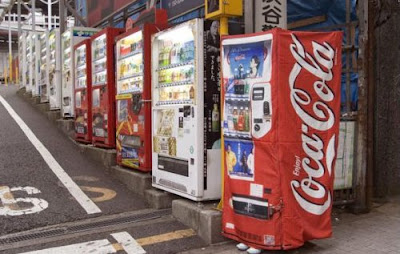
Well, the Coca-Cola vending machine representative showed up at my office today, with a $20,00 bill. Putting a human face on the problem and solution, he said when I receive the $25 or so in merchandise coupons, I could donate them to my son's hockey team. A simple courtesy, but by putting a human solution to the story, he saved Coke's brand.

Obviously, my complaint and the resulting energy and time spent to resolve the situation cost Coca-Cola some money, but when you think of the millions of dollars in advertising and marketing, a little customer service and respect really go a long way. I think a better solution would be to have well calibrated machines with sufficient electronic information so that the veracity of potential problems can be reported and solved right away -- with arrangements, where required for someone nearby (convenience store or whatever) to be able to issue cash or merchandise refunds right on the spot. But, regardless, this file is closed and Coke ultimately got it right.

Tuesday, March 18, 2008

The $18 bottle of water -- lessons in branding and blunders

Let's just help out here with a little more publicity for Danani with this reference (from a few years ago), to Coke's U.K. bottled water public relations disaster. Mistakes can get expensive when you have a well-known brand. But even though you are running a local construction business rather than a multi-national corporation, the basic principals apply. All client interactions -- especially if the client is complaining -- are important to your brand.


Yesterday afternoon, we rushed to the hockey arena for the final afternoon practice before Eric's first final playoff game tomorrow (and my trip to Thunder Bay today). The canteen hadn't opened yet, but no problem, the arena has vending machines containing the new "healthy" Dasani vitamin fortified bottled water.

A kid was fumbling with a five dollar bill in the currency acceptor on the machine. It wouldn't take his bill. I offered to help. The machine could take $20s, so (even though I had the change I needed for my own drink), I offered to put in my cash and give him the change he needed. The machine had no problem accepting my money. It also gave me my water. But no change. And that is where this saga begins.

To my misfortune, the arena canteen had opened just as I deposited the bill into the machine (so the kid actually could get his own pop). But the person behind the arena counter said, "we don't have anything to do with the machines. You'll have to deal with the vending machine company." I could have gotten mad at the arena management for lacking flexibility, but know some history including an embezzlement scandal within the building a few years ago, so really wasn't going to hold the counter person responsible for this rule.

Nevertheless, this wasn't a $1.00 loss, it was an $18.00 matter, so I took it on myself to call the 800 problem number on the machine. Turns out the machine is actually owned by The Coca-Cola company, and the number rings through to Coke headquarters in Atlanta.

It is here that I began my run-in experience with corporate headquarters and ill-managed customer service policies.

After pushing a few phone tree extensions, someone real answered (good). The person said she could send merchandise coupons but not issue a cash refund; that would take a couple of days and would have to be done by the local vendor. I started fuming. "I don't want your dumb pop, I want my money back," I said. (I am not entirely unreasonable here; I know that if I had lost a $2.00 coin in the machine and didn't receive the bottle, a merchandise refund would have worked well -- but we're talking $18.00 here.) I told the script-laden employee I wasn't happy and publish a blog on marketing, and right now, Pepsi is starting to taste really good to me. To add insult to injury, just as she concluded the call and gave me the follow up identification number, the line went dead, so I called back, went through lots of holds, and eventually got the same message from the same person.

Okay, I'm not happy, but Eric's practice was about to end and I really preferred spending time with my family before this visit to Thunder Bay, and put the whole thing out of my mind.

Until this afternoon. After four hours of flying, and another three and a half hour of intensive interviews, and receiving eight phone messages, someone from Coke called while I was in a meeting. I finally got to the hotel room, ready to return messages, and listened to what seemed like a brand-saving maneuver.

The person in Vancouver said she would be sending me coupons for all kinds of stuff --soft drinks, bottled water, large bottles, everything totalling, she said, about $25.00. "Hey,this is neat," I thought, expecting the call to conclude with an explanation of how someone from the vending machine department would get back to me about refunding my cash as well. No luck. "We can't refund cash, so if you want that, you'll have to return the coupons," the person said. (I have her name and number, but won't publish it here.)

She didn't leave me a phone number, but my cellular phone had the number on it -- so I called back. "That person's phone is not set to accept in-bound calls," the receptionist told me. "She'll call you back, though."

And she did, and it proved to be an interesting conversation. I explained that I didn't want her company's bottled water, pop, or whatever, I wanted my cash back, but the hassle she was putting me through was far greater than the loss I had incurred. I said the right thing would have been to offer the coupons AND the cash refund. I said: "You don't know how much my time is worth." She responded (amazingly), "My time is worth more than yours." Hugh. (Expletive deleted.) Even though I had made clear that I own a business and publish a marketing blog, (acknowledged in her original voice message), she would say something like that....????)

I told her clearly that if I had lost $2.00 or even $5.00 in the machine, I wouldn't have a problem, so why not set the machines so they don't accept large bills. "We have that policy in Western Canada," she said. She said that she will pass my request on, and that indeed I can keep the coupons, but really I should return them because there is no way her department should have to absorb the costs of a mistake in the vending machine department.

Okay, this is a lot of stuff about a small matter. I paid $35.00 tonight for a room service dinner; and am not going to be pushed into poverty for an $18.00 loss. And I could see that Coca-Cola (and large consumer oriented companies) have to have systems in place that work for most people, most of the the time, and when small amounts of cash are lost in vending machines, you don't want to be handling cash and refunding money carelessly.

But we all need to remember, regardless of the size of our business, that our brand depends on the interaction between the company and the client; and these are crucial moments in relationship development and maintenance. Turning a broken vending machine into a saga spanning several days is not good business. (Coca Cola may redeem itself, of course, when I receive the refund and keep all those coupons -- but it won't if the refund doesn't come in a timely manner!)

In construction and related businesses, the client relationships usually span far longer than the time it takes to receive bottled water after pushing a $20 bill into currency acceptor. And, in many cases, it involves several employees at different levels. As you'll see in future entries, your front line employees -- whether they be project superintendents, accounting personnel, or (importantly) your receptionist, all have critical roles in creating and maintaining your brand, and building your current and future business. If staff are able to respond quickly and resourcefully, slip-ups can be recovered quickly, and client satisfaction goes through the roof.

I try to set an example in my own business. When a complaint call comes in while I am in the office, I'll often phone back within minutes. This has immediate impact because the complainer is never expecting the company president to call back. But regardless, I set out with the philosophy that the customer deserves a hearing and control over the solution and I'll do whatever is necessary to make things right. I know most people are reasonable and fair, most of the time, if you treat them that way. And yes, there are a few who will exploit loopholes and expect something for nothing. Obviously, none of us can walk away from a $100,000 invoice -- but I'll absorb a $250 ad, and the Coca Cola company should be able to make good, without hassle, a $20 vending machine fowl-up.

Right now, I'll take the coupons, and start drinking Pepsi, or more rationally, store-branded bottled water.

Wednesday, March 12, 2008

We: About client relationships


Do these images really belong together? Yes, in that the tourism and hospitality industries are the places where many of the client-centred marketing principals advocated by Steve Yastrow in his new book: We: The Ideal Customer Relationship are expressed -- though their practical applications are very real for the construction industry, both commercial and residential.

We headed out on a boat yesterday on a Vallatera Adventures visit to Las Caletas, a private island about 45 minutes from Peurto Vallarta after sighting some whales in the Pacific Ocean. The tour organizers appreciate their market and handle it with creativity -- for the (younger) couples out for escape, this is something of a booze cruise, with an unlimited open bar -- but the operators keep things well enough organized so that families with younger and school-age children (ours included) won't feel uncomfortable.

(I especially enjoyed overhearing the rather frank observations by the young tour leader who described how sometimes his job can be hell when clients expect perfection from him, but misbehave themselves -- especially since his salary is a fraction of the money that people blowing money on the tour earn each year.)

We found about the tour through -- yes, Gecko Rent A Car -- where Adam and Denis offered us a 15 per cent discount off the tour's list price and obviously earned some commissions in the process.

As I sat on the beachfront playing Brickbrat on my Blackberry (while Eric snorkeled and Vivian sunned herself) I thought about Steve Yastrow's book We: The Ideal Customer Relationship He sent a copy to me just before I headed on vacation. Yastrow and I engaged in a dialogue a few months ago when I reported on his earlier book Brand Harmony (thanks to Sonny Lykos's introduction).

I enjoyed Yastrow's latest book, again focusing on the basic fact that selling and branding is more about relationships than transactions; and these are unique, individual and thoughtful processes over time -- that lead to the ideal situation where client and business (or groups within clients and businesses) are engaged in co-oerative projects and relationships that transcend the immediate, and work for the mutual benefit of both groups.

In business, these relationships are the opposite of the zero sum game -- and require a whole lot of special qualities and skills that allow employees to work beyond scripts, processes, and formal procedures. Each client relationship, Yastrow proposes, needs to be individualized. Branding -- the overall quality of relationship between client and company -- is not the exclusive responsibility of the marketing department -- it is at root a cultural thing where both front line employees and senior executives create a holistic environment where clients feel welcome, engaged, involved and sense their individuality is respected.

(Does this describe Gecko Rent a Car? Yes. Did Vallarta Adventures get it right -- in a different sort of way?-- Yes. What would have happened if Gecko gave a referral to an organization that paid a higher commission but delivered terrible value? And what is the relationship between Gecko and Vallarta Adventures? We don't know, but I suspect it is healthy.)

Fair enough, such good business is indeed possible, and wherever you can make it happen, ideal. I sense a relationship of this sort is developing with Web Empowerment Solutions who are presently working on our website rebuild. We got things off to a good start when I met with Gilles Cote and Shawn Taylor to discuss the terms of engagement. Impressively, we struck a deal that gives WES some useful operating cash while reducing our current IT cash expenses, and they receive a solid and powerful boost for marketing within the construction industry. In putting the deal together we thought outside the box, with some creativity and effectiveness. So far, it looks like we are getting real value here and I hope to reciprocate as the months proceed.

The challenge with We relationships is that they are time-consuming, potentially expensive, and require an incredible spirit and openness with employees and clients. And here is the big challenge with the concept. While we are all individuals and have unique personalities, not everyone is built the same way -- and many of us (myself included) are really not that good at personal interactions and relationship building. Recruiting and selecting employees with the right qualities is a real challenge and if your organization is currently full of the 'wrong type' you will have an uphill battle in changing the culture and ways of behaving.

In his book, Yastrow suggests some approaches to work around these challenges, but I really think the big issue is whether you can work through all the layers of perception and behaviour in employees and expect them to think outside their silos and relate effectively if they are not hired carefully in the first place and the overall corporate organization and structure is right.

Even then, things don't always work out so well. Enterprise Rent A Car is cited as an example of a business which gets client relationships right, but I would not compare the somewhat tacky 'friendliness' I have received at Enterprise with the real relationship I felt at Gecko.
And in the hotel business, despite all the efforts at creating systems to engage employees and managers in client-centric behaviour, we still have incidents like I experienced at the Hilton Garden Inn at JFK Airport. The hotel and service were fine if unmemorable (okay, it is an Airport hotel), but I really didn't appreciate this email from the hotel:
Dear Valued Guest,
On behalf of the team at the Hilton Garden Inn Queens /JFK Airport THANK YOU FOR STAYING WITH US! Our goal is to ensure your stay was an excellent experience. You may be receiving an email shortly from Hilton Guest Services to survey your stay; it is our hope that you score us either a 9 or a 10 in Accommodations and Service categories. If we did not meet your expectations, please feel free to reply back with your feedback as we will review each comment with my staff to improve future stays. Once again, thank you for choosing the Hilton Garden Inn Queens / JFK Airport.
This note's explicit message is: Hey, they are going to send a survey to you and we want a great score, and please don't blow the survey by answering that "we" are less than perfect!
No! That is gaming the system, and that is the sort of thing that happens too often when organizations try to set up measurement tools and structures to create the We! environment. Ironically, the thank you would have worked a whole lot better simply not mentioning the survey -- and in any case, if I were the hotel manager, I would want -- in fact welcome -- less-than-perfect results as a feedback mechanism to improve my operations. (Oh well, the manager now must deal with the consequences of this blog! I'll be interested in his response.)

So, what can you do?
  • Read Yastrow's books. They are useful.
  • Take vacations. The best way to experience customer service/branding experiences is when you are on the road (or in the air) and experience the service/hospitality industry first hand. They are in the front lines of these crucial branding and relationship-building concepts.

  • Hire carefully and with sensitivity.
  • Let your employees be themselves and don't worry too much if they do their own thing -- in fact encourage individuality. You'll find they can connect with clients much more effectively and ideally, without forcing the issue, create the true We culture that Yastrow advocates.

Sunday, March 09, 2008

About Geckos and Dollars

I'd never associated the Gecko with rental cars, and didn't even know where Buscerias is -- so how did we end up doing business with Gecko Rent a Car? The answer provides some important marketing insights.

As we made our plans for the Punta de Mita visit, we needed to choose a rental car service as the place we are staying at is a little off the beaten track and a car is essential. My first instinct: Get the best price, go on the Internet and select a car from whichever Expedia came in at "lowest"; then cross check to see if there are any negative observations through a secondary search. Dollar Rental Car, one of the less widely known but still recognizable "brand names" came up -- so I booked on line.


Then Vivian forwarded me an email from correspondence she had with an Internet forum (which led her to choose the relationship/destination club we chose.). The other forum member, in a personal email, recommended we try Gecko Rent a Car in Buscerias.

Now, I've never heard of a rental car company named "Gecko", and had the foggiest idea of where Buscerias is, but I hoped they would have a solution to a problem we had with our vacation.

Outbound travel: No problem, we would pick up a car at Puerto Vallarta Airport in mid afternoon in the conventional manner. But return was proving to be another challenge. To get the best fare (in fact maybe the fare proved to be 'best' because of this problem), our flight departs at 7 am. Trouble is, the place we are staying at is a 30 minute drive from the airport, and to allow for international flight connections, this means we must be on the road at three a.m.

I've never been to Mexico before. I read scare stories about driving at night in Mexico, and we were perplexed about what to do. So, instead of dealing with some robotic call centre or "reservations agent" I typed an email to "Dear Gecko" and explained my concerns.

This is the response I received:

Hi Mark we do have a Jetta available for that time frame. The price after all insurances and taxes is 360usd Visa or Mastercard or 325 cash. We can work out your departure. We may have to send a man out there to drive you to the airport. If you want to book this vehicle please send your arrival time, name of airline, flight number, departure time and the number of people in your party. I need this in order to book the vehicle and arrange transportation from the airport to our office which is half way to Mita. Regards Denis

The price seemed competitive, and the service -- well, if they are ready to send someone out to us in the middle of the night to help us return our car, these guys are obviously not following by the rule books I associate with conventional rental car companies. So we signed on.

And so far, the client experience/engagement has been impeccable -- and a lesson for marketers anywhere.

In confirming the rental, Denis told us that we should watch for a kiosk calleed "VIP Service" after clearing customs, but before entering the "mandatory" room where time share shills hawk their wares. Indeed someone had a sign with my name, and directed me forward. And indeed, I ran into the Timeshare gauntlet, where two sales guys asked me "Do I have the hotel voucher" as if we had some kind of relationship with them, but really to get us to some rip-off time share deal or another. Out the door, and then the very visible and well furnished VIP Room, where Gecko had arranged a private driver to take us to Buscerias.

Our driver engaged us as we drove 40 minutes, dropping us off at a hole-in-the-wall place we would never haver found (or even considered) if we were choosing based on the supeficial "advertised" brand rather than real experience and first-hand recommendations.

Denis -- turns out his father is from Montreal, where my wife grew up -- said unfortunately the Jetta hadn't been returned by the previous client, but not to worry, we would get aother, less expensive, car and they would drive up to replace it. He gave me simple instructions about the rules of the road in Mexico. He didn't force me into CDW insurance waivers, "fill up the tank" and other gimmicks. But a hand written sign said they had cellular phones for rent for $20 for the week -- and when he told me the cost of using the phone compared to my Canadian cell phone's overpriced roaming rates, I took the offer.

I asked about the return procedure. Denis said by the time we had been here a week, we probably would be comfortable driving at night. In that case, we could come in the day before, settle up the account, and then drive the car to the airport, and leave it in the parking lot, door unlocked, with the key under the mat. But if we were unconfortable with that option, he would arrange for a driver for us. I thought: "leaving a car unlocked at three in the morning in Mexico... well he knows his business and the local area better than me, and I'm sure he woldn't set up a situation where he felt he would lose his car"

So we got our car; a downgrade, something that would normally annoy me, but we found the lower priced car quite suitable and, with the clear instructions, arrived at our destination. In fact, I thought, why not save some money and keep the cheaper car.

Then I heard the ring on the cell phone -- the one they had rented me. Their driver would bring out the proper car; I couldn't keep the less expensive model because it had been rented to someone else. Within half an hour, with minimum interruption, we had the new car and it looks like it will be a pleasure to drive (no charge for the gas for the temporary downgrade, of course.)

Now, I'm dwelling on this experience at some length, because it teaches some rather important marketing lessons.
  • If you can build relationships with customers to the extent they will refer you personally, you don't need a big brand name, expensive advertising campaigns, and huge sales budgets. Nor do you need fancy offices, "convenient locations" and sophisticated "call centres."

  • If you can build flexibility, trust, and humanity into your business, you can overcome client fears -- often valid -- and keep things simple. So, yes, we'll probably drive back at 3 a.m. to the airport (but it is reassuring that if I don't feel comfortable with that option, an alternative can be arranged.)

  • You still need to deliver the basics: In this case, a clean, reliable car, at a price that is in line with the competition but you can also sell the extras -- in this case the cellular phone service -- without pressure or hype.

  • Little things count a lot: The warnings about the "time share salespeople" allowed me to navigate that maze at the airport, and the driving service to the rental car office helped to overcome the off-site location (which is actually more convenient to us where we are)
Note also that while we may return to this area in the future, we are not likely to be big, loyal, long-term clients; and while of course we would really listen if Denis had other rental car suggestions elsewhere, that is unlikely, as this is a local business. So Gecko has overcome many limitations that smaller businesses must encounter, and done it with class and ability.
These are lessons worthy of remembering for the future.

Wednesday, March 05, 2008

The right employees; the right business

Look at the employee recruitment page for Hudson Construction in Davis, CA. Linking the employee hiring process to the client testimonials is inspiring -- and probably very effective -- in ensuring that people who wish to work for this company know the importance that satisfied clients are to their careers -- and that their work matters in supporting the business.


Yesterday, at the Greater Ottawa Home Builders' Association annual meeting, I had the opportunity to sit with a couple of people I have known for many years within the association. In both cases, they've held their jobs through successive corporate reorganizations, purchases, transformations, and the like.

One has always been at the big company, as it gobbled up other firms, and became even larger. The other, originally working with a large utility, found his job/environment shifted and changed as it evolved through different stages of deregulation; with new owners acquiring and changing the place -- and his 'place of employment' going through a seemingly schizoid number of name (and ownership) changes even as the essential business remained the same.

I was interested in hearing their attitudes to their employers and business in general -- having survived enough experiences to fill several life-times. Both are still at their work, competent, capable, and knowledgeable. I think they would be valuable at any business. (I'm obviously not naming them or their companies in this blog because obviously they didn't speak openly with me expecting an on-the-record interview!)

One person, who has lived in the corporate world all her life, said she noticed how some employees think like they own the world -- they are in their own space -- oblivious to the real market forces around them, only to come crashing to reality when the business changes or is reorganized.

She said however, she would always prefer the corporate world to the small business where the owner behaves as if he or she owns the world -- while not knowing what is really going on.
The other successful employee described how successive owners and managers failed to get it -- especially seeing the value of the actual business, and its opportunities. He described how he helped turn the business around with simple changes to make it more sensitive to the market and reduce internal 'process' bs. I told him it seems like he has the stuff to be an entrepreneur -- to own his own business. He agreed.

The point about these truly excellent employees is they combine confidence in themselves and a certain amount of healthy ego-pride with a realistic understanding that they only have their jobs, and their businesses only exist, within the real world of clients and the market -- and they resist -- in fact resent -- other employees, managers, and owners who don't get it.

Why is this discussion important for construction marketing? As I've outlined in previous posts, your brand is the sum total of all client interactions with your business -- and the front-line employees who work with your customers are going to leave the most important lasting impressions on them. Finding and retaining great employees in all aspects of your business -- not just the sales and marketing department -- then should be your highest priority. (Of course it is helpful that they do their respective tasks well, because marketing is indeed only one part of the picture.)

Listening to these successful long-time employees, I thought how sometimes we spend too much time listening to illustrious big-name business speakers, top executives, gurus, and consultants. Maybe, we should look at the qualities of our best employees; that is, the individuals who handle their specific responsibilities with exceptional competence, while connecting their work to the larger business picture. Taking these employees' perspectives in hand, you may find you change your branding and marketing strategy far more effectively than by following the conventional metrics.

Just a thought, maybe worth considering.

Thursday, January 31, 2008

Admit it!

Craig Galati is a principal of Lucchesi Galati, a LasVegas consulting firm practicing in the areas of architecture, sociology and sustainability.

Yesterday's mail included more books (by now you probably can tell I read a lot), including Architect Craig Galati's little gem: Admit It!: 21 Things You Already Know But Apparently Have Forgotten Regarding Client Service.


His self-published booklet-- at 43 pages it is too small to be regarded as a commercial book -- is a useful resource and reminder of the basics that we easily forget: Return your calls, keep your promises, accept responsibility, and be flexible, among others.

Here are the 21 'things' reflecting the book's chapters:

  1. Treat clients the way they want to be treated
  2. Make repeat business and referrals your goal
  3. If the client looks good, you look good
  4. Get to know who the 'real' client is
  5. Make it easy for your clients to describe you as excellent
  6. Never say 'no'
  7. Go out of your way, all the time
  8. Never forget that all of your actions contribute to the customer experience
  9. Don't return calls during lunchtime
  10. Make your clients feel at home
  11. Give more than clients expect
  12. Customer service is not an act or time of day; it's a lifestyle
  13. Return the routine phone calls promptly; return the difficult ones sooner
  14. Keep your promises
  15. Thoroughly understand what value means to your clients
  16. Tackle the tough issues face-to-face
  17. Tell the truth always; own up to your own mistakes
  18. Don't blame someone else
  19. It's not aboout who's right or wrong; its about resolving the issue at hand
  20. Be flexible. Each client's needs and projects are different
  21. Don't lose touch after the job is done.

These, indeed, are common-sense basics of client service, brand harmony, and solid business relationships.

Craig's The Heart of Business blog is worthy of bookmarking.

Friday, January 25, 2008

The last impression

Aha, look at this blog entry by marketing guru Seth Godin.

http://sethgodin.typepad.com/seths_blog/2008/01/the-last-intera.html

Here is evidence that how you leave a job is probably more important from a marketing perspective than how you get it.

Monday, January 14, 2008

Perception and marketing

If you only wish to read one book about marketing, Positioning: The Battle for Your Mind is the one you should read.

Marketing is not always what it seems to be. In the world of marketing, perception is often more important than reality -- at least at the front end -- and the preconceived notions of potential (and current) clients carry far more weight than what might, in scientific terms, be described as the 'true' picture. This is important because just because you have a better product, better service, better price -- in objective reality -- you may find that your potential clients just don't seem to care, or refuse to get it. Their frame of reference and perspective is defined by other values.

If you haven't already read the classic marketing book, Positioning: The Battle for Your Mind by Al Ries and Jack Trout, you must do it now. (It is inexpensively available in paperback at your local bookstore or Amazon.) The ground-rule of successful marketing is that unless you have extremely deep pockets, you need to be first in the mind-space of your potential clients. This is usually achieved by finding a niche, a small segment not occupied by others, where you can 'own' the space. So, say you are a general contractor. Your niche may be a small, rural geographic area ("We build everything in ... name of community); or you might just do fourplexes, and only fourplexes, in Minnesota.)

On a higher level, Sonny Lykos observed to me in an email that no one seemed to care on another forum about his system for ensuring back-end client satisfaction, as a key component of marketing. (See this thread on Contractortalk.com and my final thread posting, suggesting Sonny's approach to budgeting. Then silence.) People were more interested in advertising flyers, canvassing, and the like. Their perception of marketing is defined by their preconditions and expectations, and they cannot see beyond it to the alternative he encourages.

I got my first impression about the power of preconceptions in 1978-80 in Africa.

Before arriving in Rhodesia near the end of the 15-year bush war, I learned that if I entered the country as a "journalist" I would be put on the next plane or train out. So, with scraggly hair and youthful exuberance, I declared myself a "student" on entering the country.

Then I went to look for work, knowing the country -- with military call-ups at high pitch -- had a serious labour shortage for 'whites' jobs. I ended up with a job offer at the Bulawayo Chronicle -- I then went to the immigration department and said I had good luck in being offered a job as a "trainee journalist" (a little lie, of course). The result: I received immigration papers and a work permit marked "journalist", legalizing my presence in the country.

For the next 18 months, I spent my life watching the story unfold --and living it in real time. Notably, most of the whites said the "world press has preconceptions; they think we are all bad, and nothing we do good ever gets reported." They predicted horrors under black rule. They all cited the same mantra, seemingly without thought. They had their own "preconceived notions", I thought.

I filed several stories to a Canadian news service. Newspapers across the country could elect to use or ignore my stories. The wire service, along with a modest cheque, sent me clippings to show where the stories had been published. And I noticed something interesting.

At the beginning of my time in the country, many papers picked up my 'conventional' writing. But as the war ended, and I saw things through a deeper and more complex perspective, fewer and fewer papers picked up my more balanced articles. These weren't blindly supporting the whites or blacks, they were simply looking at the issues from a deeper perspective. Editors across the country didn't care, however. The stories didn't meet their "preconceived notions".

Today, Zimbabwe is a basket case and the whites ignored by the media appear to have been correct -- on the surface. But delve into this issue more deeply, and you would not draw such a simplistic conclusion. I think the mess in Zimbabwe is largely because the whites clung to power longer than they should have.

So what does this have to do with construction marketing? Perception is deadly important; and you will not succeed in breaking into a market by offering a 'me to' service. You need to differentiate yourself; and stand out from the crowd. But you also need to know how the crowd thinks-- at least the crowd you are trying to reach. At the same time, going off the deep end is risky -- it might work, but I would take a more incremental approach to change. (No one else may be cold calling businesses to sell commercial construction services; so you would be unique in your approach -- but I'm afraid you would fail and irritate rather than encourage business by trying that; unless you have a truly innovative way of selling yourself.)

So, say you are a general contractor whose business is slipping. What sub-set of services can you offer that would work for you? Perhaps you can offer a maintenance service package to existing clients; or you have proven an experience within a specific sector, and can build out from that.

Note as well that you may not need to change your product or service to achieve great results -- it could just be an exercise in positioning and perspective; in changing your client's mind frame. And, finally, if you are successful at branding, you reach the holy grail of marketing -- clients and potential clients form a positive preconception about you and this 'sticks' even when you don't quite get things right, or they know you little. So, if you want to get the branding right, consider again the Brand Harmony concepts. They work.